What Is Dividend Dependency and How to Overcome It
Dividend Dependency

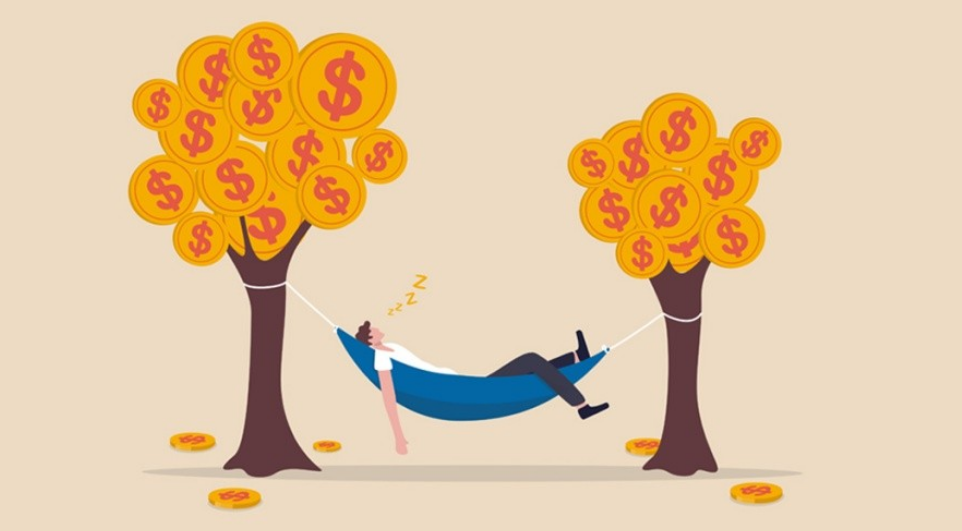
John D. Rockefeller once said he took true pleasure in seeing dividends come in. As the world’s first billionaire, he wasn’t alone in thinking this way, even back then. And today, hundreds of thousands of investors would say they feel the same. Some consider this a form of dependency. But what exactly is dividend dependency, and how can you overcome it?

How to Learn to Accept Losses in Investing

Accepting Losses

In the world of financial markets, every investor may face a situation where their entire portfolio or individual positions start generating losses instead of profits. Depending on market conditions, this situation can last for a long time, with the drawdown reaching significant levels. Many traders, even those with years of experience, may not be prepared for such events. Therefore, understanding how to accept losses in investing can be valuable.

Is Impulsive Trading on the Stock Market Worth It?

Experienced traders, successful investors, and renowned analysts emphasize the importance of trading in the stock market based on clear rules. While novice traders attentively listen to their arguments and advice, they often forget or are unwilling to apply them in practice. Most beginners make trades based on their feelings or unsupported judgments, leading to impulsive trading.

Emotion Control: How to Trade with a Cool Head

Most beginners and even many experienced investors believe that success in financial markets is determined by the right strategy and trading system. However, after some time, they face disappointment as perfect signals and precisely formulated capital and risk management rules lead to losses instead of the expected profits. The reason is that these ideal rules are not followed under emotional pressure. Thus, controlling emotions is extremely important for market participants. Everyone should know how to trade with a cool head.

Are Your Investment Fears Holding You Back?

Investing is becoming more popular. But why do many people still prefer to keep their money in cash or bank deposits? It goes without sayibng that the first approach does not even protect capital from inflation, and the second does not help it grow. This attitude towards investments is largely due to fears, many of which are unfounded, that prevent people from assessing their own strengths and opportunities.

How To Overcome a Trading Burnout?

Trading Burnout

Trading in financial markets is not just a leisurely pastime in front of a trading terminal, especially one that brings easy money. It’s real, sometimes quite challenging work. This applies more to trading and to a lesser extent to long-term investing. In both cases, high psychological pressures are inevitable. Therefore, no one is immune to emotional burnout—neither traders nor investors. What are the dangers of this situation, how to recognize it, and what to do to prevent or minimize its negative consequences?

How to Set Trading Goals for Success?

How To Set Trading Goals

Trading is just like any other profession. What motivates a person to choose a career as a doctor, teacher, or engineer? Primarily, it’s an interest in the field and a willingness to dedicate a significant part of one’s life to mastering its intricacies.

To achieve truly high results in trading, individuals need to possess certain character traits. For instance, a high tolerance for risk, low anxiety, and the ability to make decisions in uncertain conditions. Not everyone entering trading possesses these traits initially, but with determination, they can be developed. The key is to approach trading as a profession rather than expecting quick financial gains.

Intuitive Trading: Does It Exist?

In times of uncertainty, people seek clues not only from the outside, but also from within themselves. The inner voice that guides us on what to do – should we listen to it when it comes to stock trading? What is intuition? If we do not bring in the third eye, the sixth sense, and a connection with the cosmos, then we can say that intuition is a subconscious skill developed after processing a large amount of information. For example, an experienced driver who automatically reacts to changes in road situations, hardly having time to fully realize what is happening. A boxer who reflexively dodges a blow, hardly catching a glimpse of the opponent’s raised shoulder from the corner of his eye. A soccer goalkeeper, by the position of the body of the ball striker, already senses which corner of the goal he should jump to.